Notations on a Pirouette forms part of some research I did in 2022 for a project, Embodied Daily Practice curated by Dr Rebecca Bell. We were asked to respond to ideas and concepts of embodiment and making in our daily lives, with each contributor responding the person before them.
Notations on a Pirouette, my final essay centres itself around a pivotal scene in Powell & Pressburger’s 1948 film The Red Shoes, in which the central character, Victoria Page, makes her debut performance for the dance company. As she pirouettes across the stage, the director puts us, the viewer, in the shoes of the performer, as we both observe and experience her body (and mind) in motion. With each spin, the whip pan of the camera further accentuates her heightened mental state, until the frenzied movement is finally punctured by the stillness of her held pose, the rapturous applause and the possessive gaze of Boris Lermontov, the owner of the dance company.
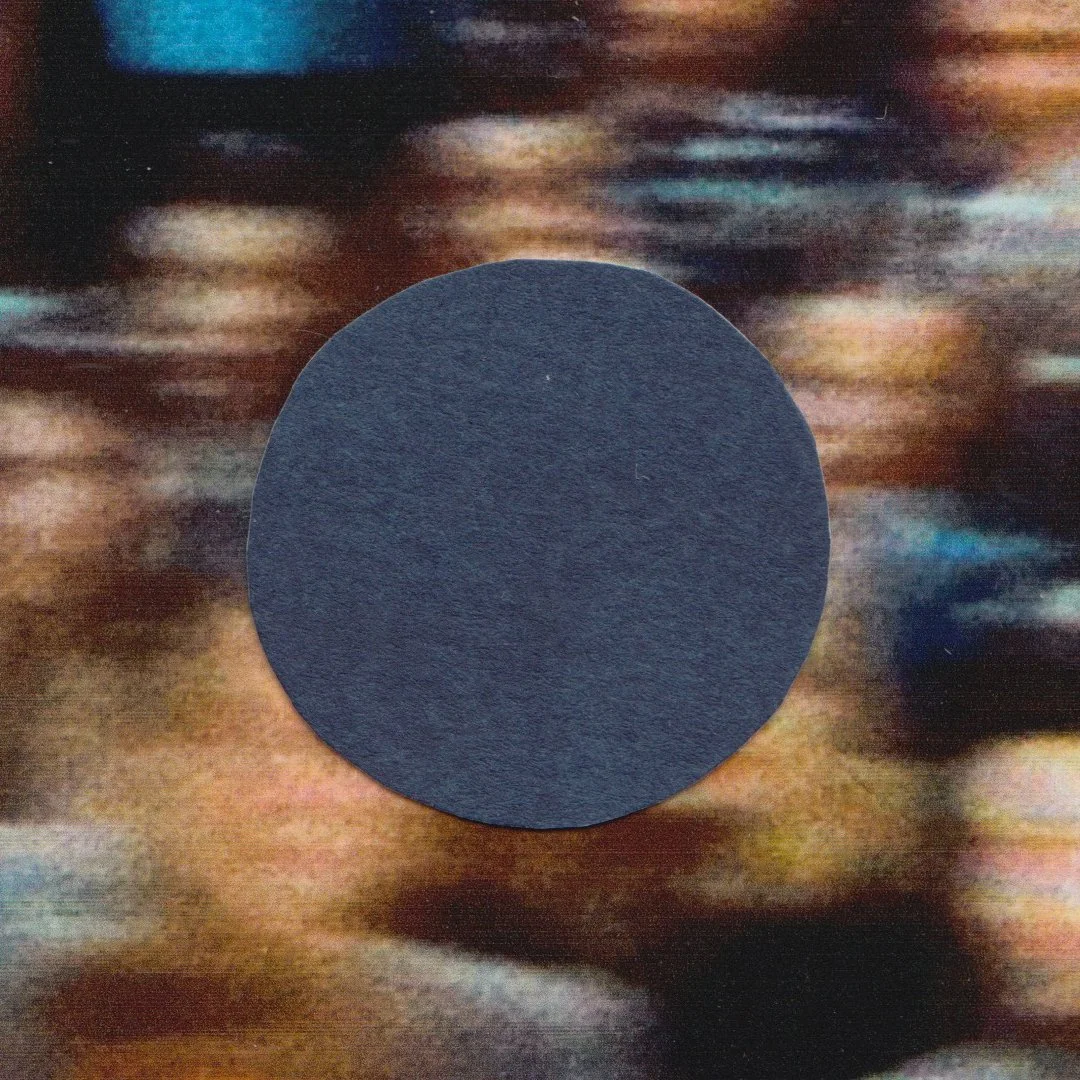
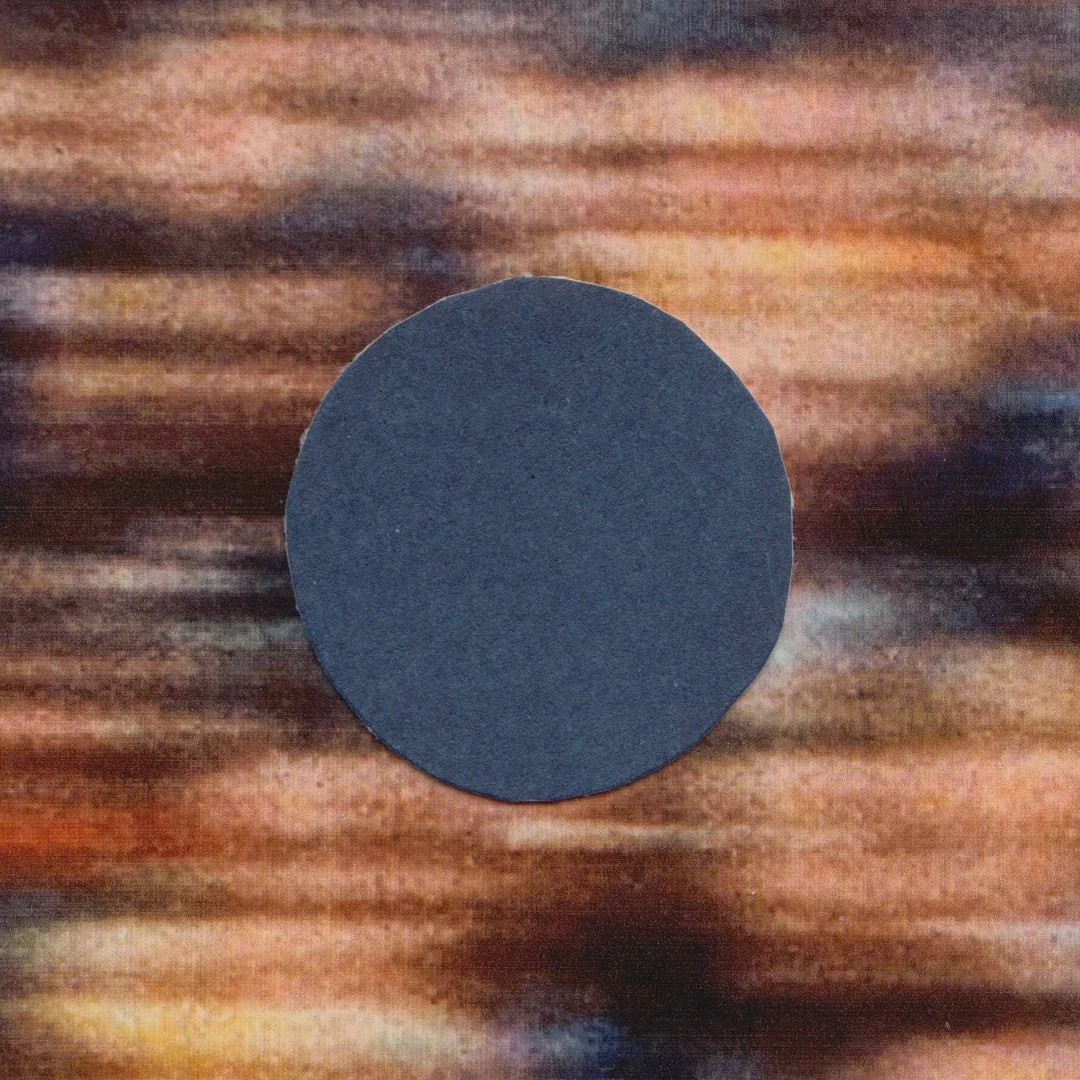
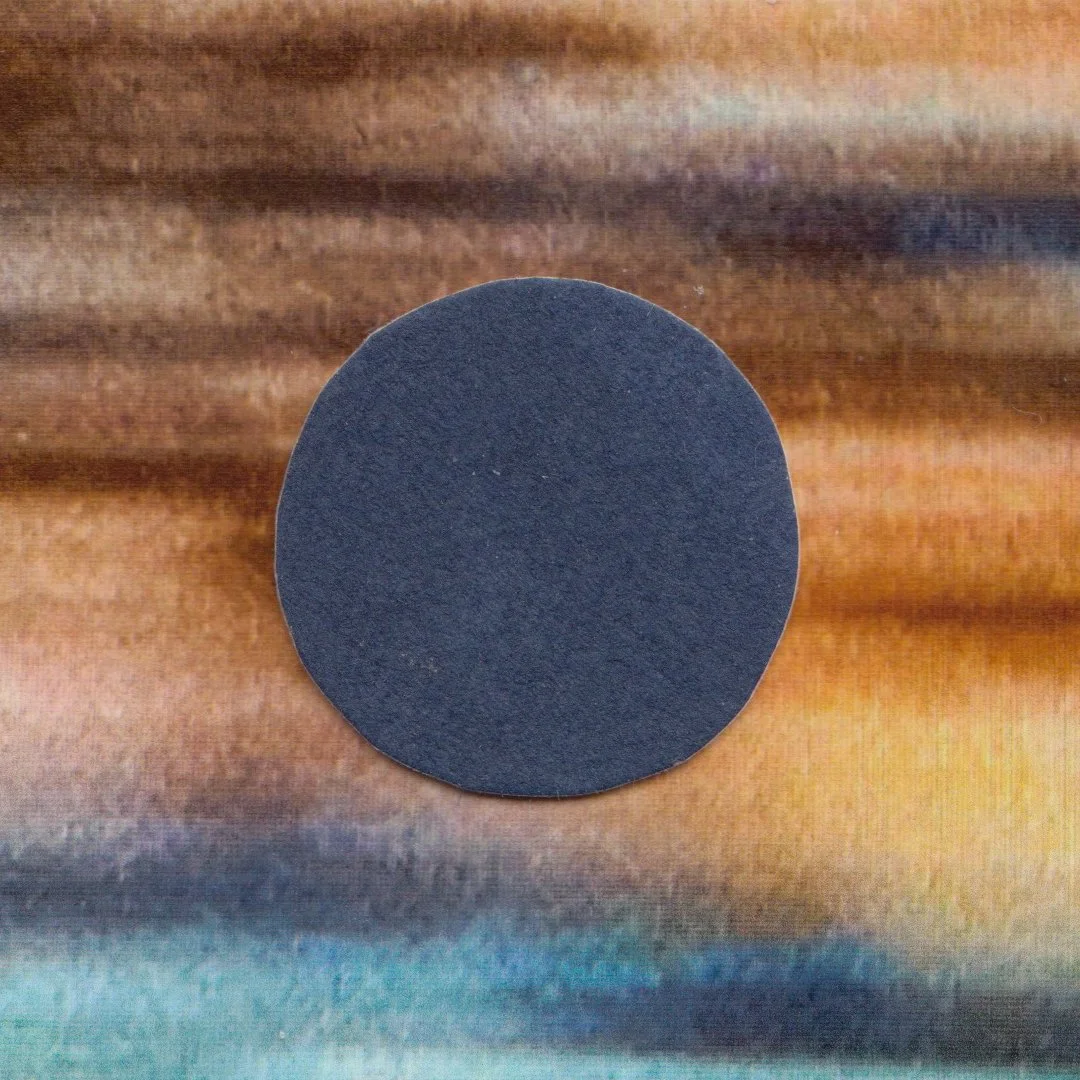
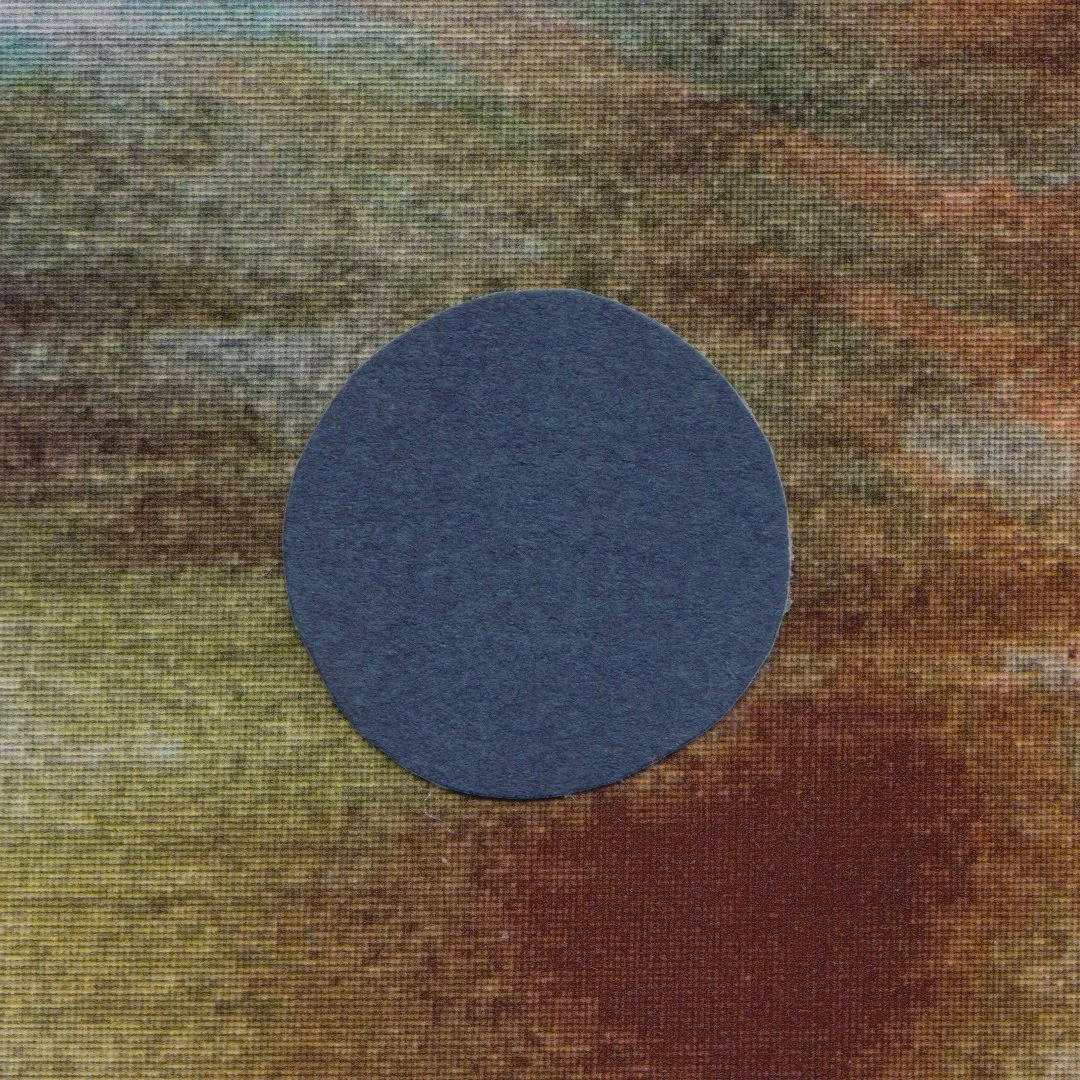
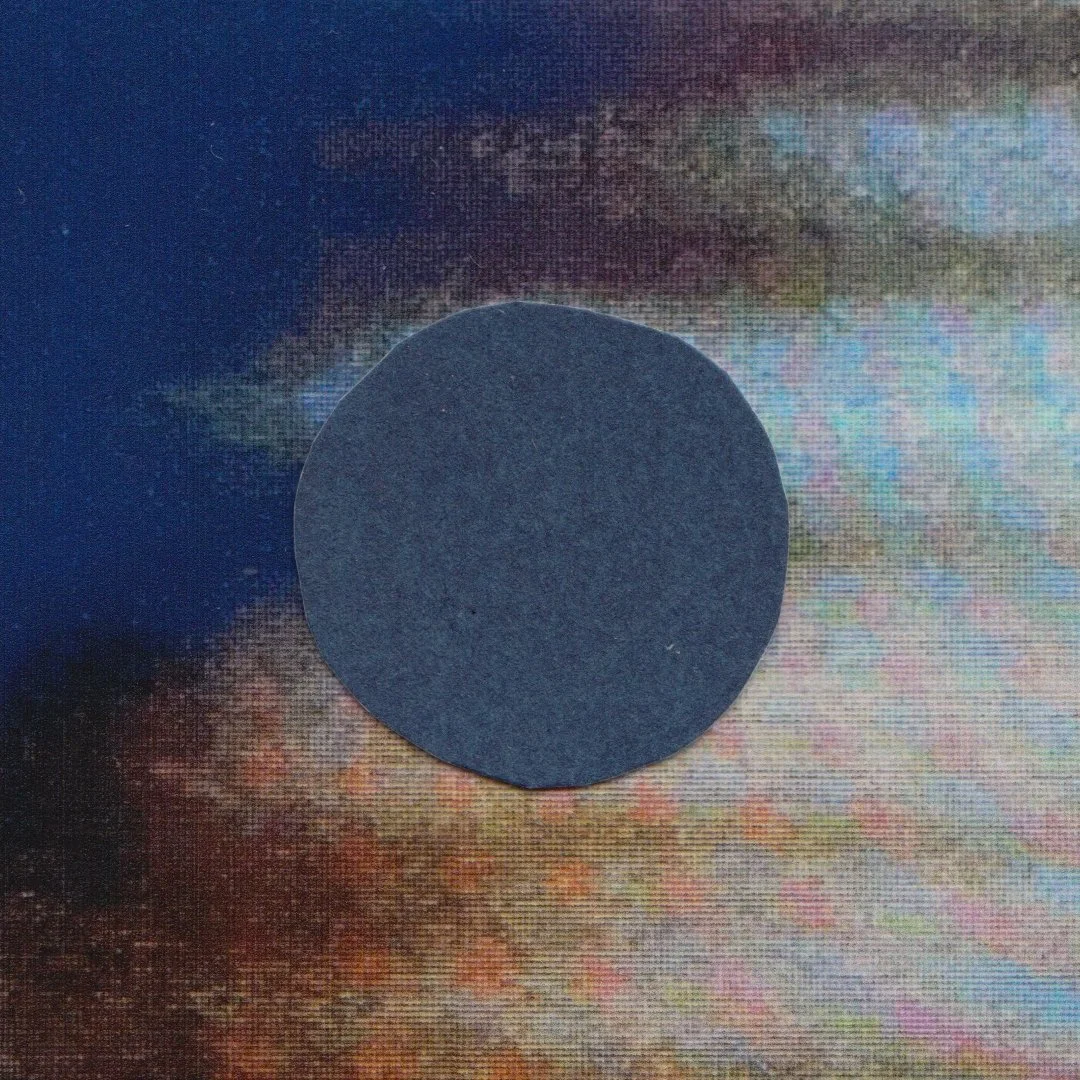
The resulting work seeks to present a physicality in this tension between stillness and movement. Paused frames of the whip pan, photographed and printed, are punctuated by coin sized cut-outs of cyanotype as if they’d spun and landed unintentionally on the page, but cropped very much intentionally centre frame. The image of the audience behind, yields to a study of the TV screen itself.
In conversation with these still images, the pivotal scene is re-filmed and re-wrapped as a series of looping vignettes, breaking down the fast cut sequence, giving the intensity of each moment a chance to breath. The physical endurance of her held pose, her face frozen in fear, embodies the power of stillness in movement.
Notations on a Pirouette